
 How to Plan an Herb Garden
An herb garden can bring a person a lot of pleasure because so many things can be done with herbs such as herbal crafts, herbal teas and herbal seasonings. On top of this, you get to care and tend for the plants which, if this is all you do, is enough reason to grow an herb garden.
Seeing how the herb plants mingle together and enjoying their fragrances are other benefits of gardening with edible and medicinal herbs.
By planning your own herb garden, you will eliminate any frustration that may arise from planting an herb in the wrong area.
For example, if you plant basil in a very shady area, it will not grow as well as if it were planted in a warm, sunny area. Also, your garden will bring you more satisfaction if you plant herbs you will use for cooking, making teas and tinctures, and for herbal medicinal remedies.

 .
.
Getting Started: Herb Garden Location
The first thing to think about when planning your herb garden is location. Full sun is the best for herbs, but it has been my experience that most herbs will grow in partial shade.
If your herbs are planted in partial shade, they may not grow as fast as when planted in full sun, but they will do just fine. The place to avoid is full shade; herbs simply will not do well in full shade.
When you have decided on a location for your herb garden, it's time to figure out which herbs you'd like to grow. To figure this out, ask yourself why you want to grow herbs. Is it for cooking, teas, potpourri, fragrance, or a combination of all these?
Whatever reason you decide you're growing herbs for will help you decide which herbs to grow.
Which Herbs Do You Want to Grow?
If you want to use them for cooking, which herbs do you currently use? You could grow those, plus others that have caught your interest in the past.
If you wish to grow herbs for any of the many other reasons people grow them, such as for making tea, or medicinal purposess, do some research first to find out which ones are good for that interest.
Visit the library and choose books on the subject, or ask your herb growing friends.
You will also need to find out if the herbs you have chosen will grow in your planting zone and thrive in your soil type. Again, the library and Internet will be good sources of information.
Make Plant Lists of Herbs to Grow
Now that you have chosen the herbs you want to grow, it's time to put them into a plan. First, make a list of the herbs you will be using, leaving a space for each ones' description of height, foliage and/or flower color, and spacing requirements. To find these requirements, look these plants up in a gardening reference book.
Herb Garden Size and Shape
Decide what shape of bed you'd like and what size. Keep in mind that to be easily accessed, an island bed (a bed that can be accessed from all sides) should be no wider than 5 feet, and a border bed (a bed that can only be accessed from the front) should be no wider than 2-1/2 feet.
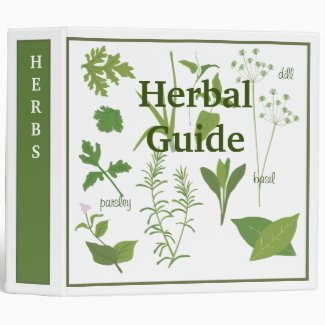
Design Your Herb Garden Plan on Paper
Now take a piece of paper and a pencil and sketch in the shape of the bed. Look at your list of herbs and place your herbs according to height, and which plants would compliment each other. You can do this by sketching or writing in the names of the plant. If you change your mind about something, simply erase and change.
As you are placing your plants, make notes of how far apart the plants should be spaced. You may even want to go as far as using colored pencils to do some color coding or to color in the color of the plants. This sketch is your rough draft. You can use this as your planting guide.
The planning process can be just as enjoyable as planting and caring for the herbs. It also enables you to get to know your plants before they are even planted. Finally, as mentioned above, it will save you a great deal of frustration, so take the time to plan your herb garden.
©, 2001, Monica Resinger - used with permission
About the author: Monica Resinger is the Editor of The Homemaker's Journal Ezine, a jam-packed e-mail e-zine that publishes the collective advice of thousands of homemakers in all home and garden topics like organizing, cooking, parties, decorating, cleaning, family life, gardening, crafts and much more! Become a part of our family and receive this fun and informative resource Monday through Friday. Join now by sending a blank e-mail to: HomemakersJournal-subscribe@yahoogroups.com
Gardening Articles
Garden Art, From Formal to Fun
How to Plan and Grow an Herb Garden
How to Design and Plant a Container Garden
Design and Plant a Butterfly Garden
How (and when) to Prune Trees and Shrubs
Spring Garden Maintenance Tips
How to Root Cuttings to Sell or Keep for Your Garden
Organic Weed Control in the Garden

Home :-: Shop :-: Coloring :-: Clip Art :-: Printables
Search :-: Privacy :-: Site Index